South Minneapolis woke up to grief and disbelief after Alex Jeffrey Pretti, a 37-year-old ICU nurse known for his steady compassion and quiet strength, was shot and killed during a federal immigration enforcement operation. His death sent shockwaves through the neighborhood, the medical community, and far beyond Minnesota, stirring raw questions about force, protest, and accountability.
Pretti was born in Illinois and carried a lifelong pull toward helping people. After graduating from the University of Minnesota, he chose nursing and earned his license in 2021. He joined the Minneapolis Veterans Affairs Health Care System, where coworkers say he brought calm to the chaos of critical care. In the ICU, he was the kind of nurse families trusted and teammates leaned on, steady in pressure and generous with empathy.
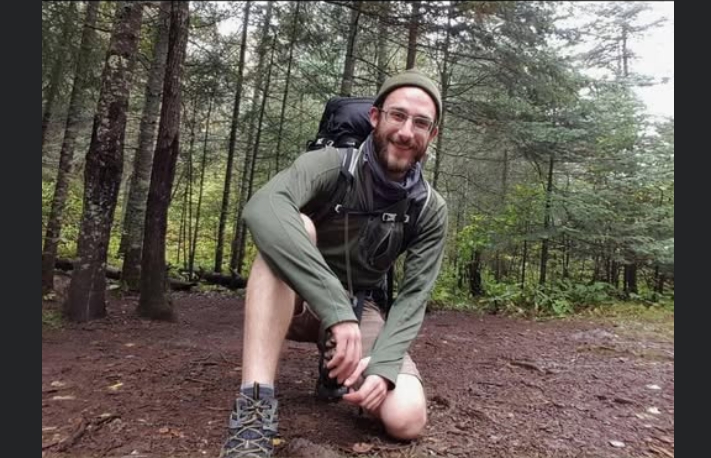
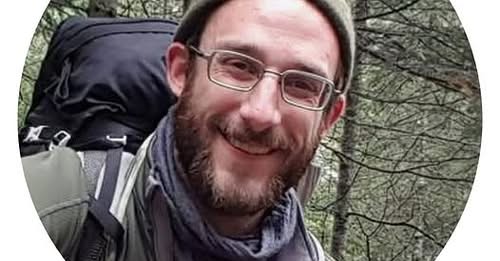
Those who knew him outside the hospital describe a man who loved the open air as much as the bedside. He spent his free time cycling, exploring nature, and taking long adventures with his dog. Friends remember his curiosity, his dry humor, and a habit of showing up when someone needed help, no questions asked.
On January 24, 2026, Pretti was in South Minneapolis during a Department of Homeland Security operation known as Operation Metro Surge. The city was already tense. Earlier enforcement actions had sparked protests and anger after previous shootings involving federal agents, and the streets felt charged with fear and frustration.
Federal officials say Pretti approached U.S. Border Patrol agents while carrying a handgun, prompting an agent to fire what was described as defensive shots. Authorities later confirmed he legally owned the firearm, held a valid permit, and had no serious criminal record, only minor traffic issues.
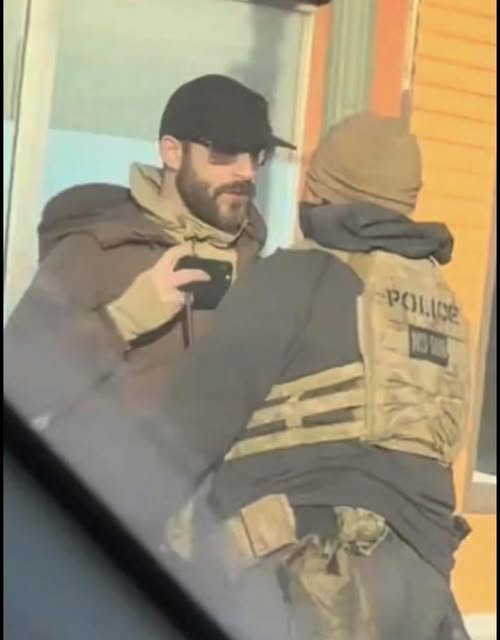
That official account is strongly disputed by Pretti’s family and bystanders. Videos shared online and witness statements suggest he was calmly filming agents with his phone and trying to help a woman who had been knocked to the ground nearby. The footage does not clearly show him threatening agents with a weapon before he was taken down and shot multiple times.
His father, Michael Pretti, said his son went to the scene out of concern for his community, not confrontation. He described Alex as someone who believed peaceful protest was a way to protect people, not provoke violence. Those close to him say that instinct to help never shut off, even in moments of danger.
In the days since the shooting, mourners have gathered at the site, leaving flowers, candles, and handwritten notes. Leaders across Minnesota, including the governor, have called for transparency and accountability. Nurses, doctors, and veterans have shared stories of a colleague who treated every patient with dignity and left a mark far deeper than his years.
Alex Pretti’s death has become more than a single tragedy. It has become a mirror held up to a nation wrestling with enforcement, protest, and the human cost caught between them. For many in South Minneapolis, he is remembered not for how he died, but for how he lived—showing up, caring deeply, and trying to help until the very end.

