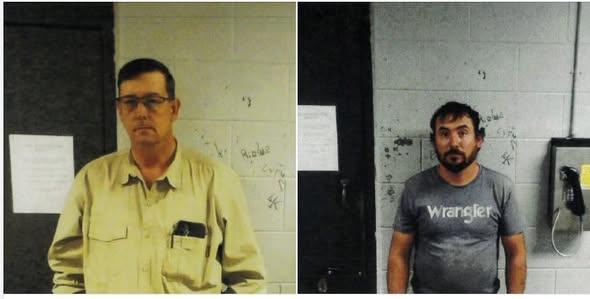
The quiet rhythm of Adair County was shattered by a violent confrontation that has now spilled from the streets into the courtroom. At the center of it all is Carl Hutchinson, a man whose death has left a family grieving and searching for answers. A wrongful death lawsuit now claims that what happened was no isolated act, but the result of a chain reaction set in motion by five men.
The lawsuit names Alan Becker, Rodney Garman, Emmett Garman, Ethan Garman, and Kolt Forinash as key figures in a brutal sledgehammer attack that first targeted Ryan Stephens. Stephens, Hutchinson’s stepson, was seriously injured in the assault, which reportedly escalated quickly and drew multiple people into a chaotic and dangerous scene.

According to the claims, the violence did not stop with the beating. In the aftermath, Becker allegedly shot and killed Hutchinson. Authorities later declined to file criminal charges against Becker for the shooting, stating that the circumstances supported a claim of self-defense. That decision, however, did not bring closure to Hutchinson’s family.
Instead, the lawsuit paints a broader picture. It argues that the five men collectively created the volatile conditions that led to Hutchinson’s death. In this view, responsibility does not rest on one trigger pull alone, but on the buildup of aggression that made the fatal outcome almost inevitable.
Family members say the loss has been devastating. They describe Hutchinson as a man who stepped into a situation that spiraled out of control, and never made it back home. The lawsuit seeks not only financial damages but also a sense of accountability that criminal proceedings have yet to fully provide.
Meanwhile, the criminal cases tied to the initial assault remain active. Each development adds another layer to an already complex legal battle, where questions of intent, self-defense, and shared responsibility continue to collide.
For many in the community, the case stands as a stark reminder of how quickly violence can escalate, and how its consequences often stretch far beyond the moment it begins. As the legal process unfolds, the focus remains on whether justice, in all its forms, can truly be served.

