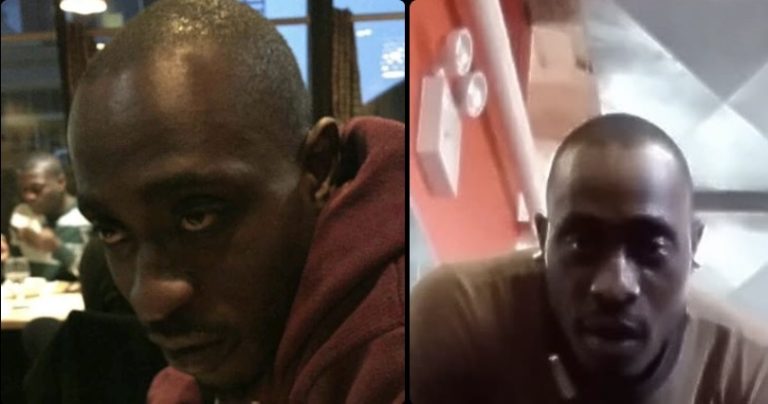
The Bronx saw a busy afternoon turn into tragedy at the 170th Street subway station when 41-year-old Adrian Dawodu was shot and killed just before 3 p.m. on Tuesday. Dawodu, a Manhattan resident, was on the southbound B and D line platform when a dispute with another man escalated into gunfire, police say. Commuters rushing home from work and students leaving school were caught in the chaos as shots rang out.
Witnesses described seeing Dawodu lying on the tiled platform as the suspect ran up the stairs and disappeared into the streets above. Emergency crews rushed him to a nearby hospital, but he later died from his wounds. The gunman remains at large, last seen in a grey parka and light pants, according to law enforcement sources.
This was the city’s first fatal subway shooting of the year, and it came at a time when riders and residents have already voiced concerns about safety on public transit. Some regular passengers at the station said they are worn down by the frequency of violent incidents they’ve seen on trains and platforms.
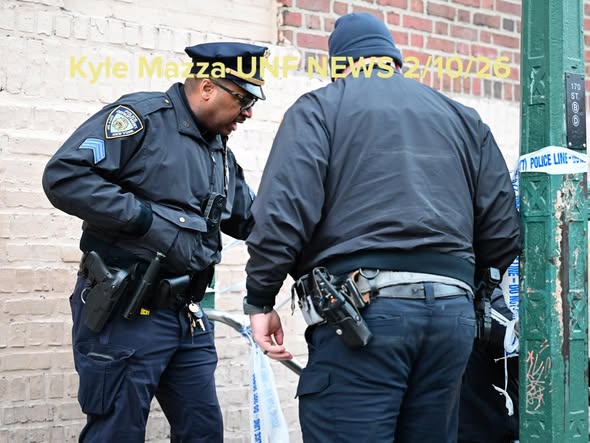
Police responded quickly after receiving 911 calls of shots fired, sealing off the station and blocking trains from stopping there as investigators combed the scene for evidence. Despite a tip that the suspect might be hiding nearby, officers were unable to locate him after searching buildings in the area.
The station itself has seen violence before. Just over a month ago, another shooting occurred on the same platform, though that incident ended with a teenager taken into custody. That earlier event left some riders uneasy, and Tuesday’s killing deepened those fears.
Transit officials and city leaders said they are reviewing patrol strategies and enforcement practices as the investigation continues. Detectives are urging anyone with information to come forward. Dawodu’s death has left family, friends and strangers alike grappling with the sudden loss during what should have been a routine commute.
People who use the subway every day say the shooting has shaken them. Many spoke of needing more presence and support at stations where riders should feel safe, not anxious about the possibility of violence.

