Former CNN anchor Don Lemon was taken into federal custody Thursday night in Los Angeles in connection with an anti-ICE demonstration that disrupted a church service in St. Paul, Minnesota, his attorney and law enforcement sources say. The arrest has sent shockwaves through media and legal circles because Lemon says he was there strictly as a journalist documenting the events, not as a participant in the protest.
Lemon’s lawyer, Abbe Lowell, confirmed federal agents picked up the veteran journalist late Thursday while he was in Los Angeles covering the Grammy Awards. Authorities have not publicly outlined specific charges, but they are linked to Lemon’s presence at the protest in Cities Church on January 18. The demonstration involved groups entering the church during worship to protest immigration enforcement and the presence of an ICE official tied to the congregation.
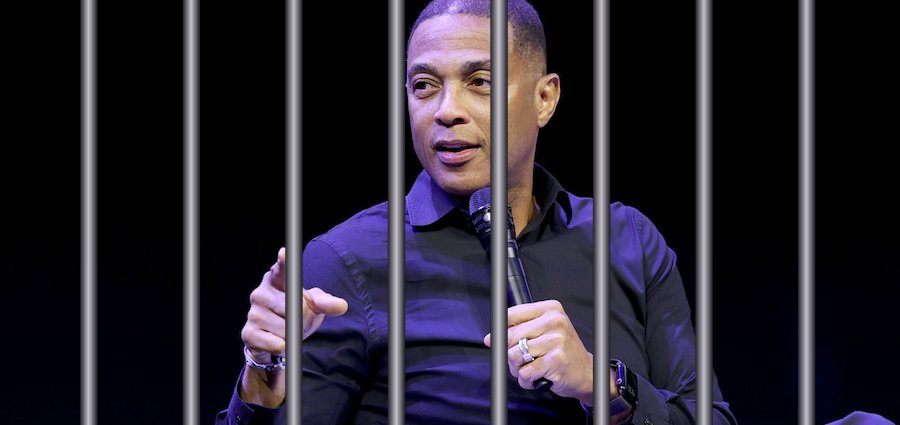
According to Lowell, Lemon’s role throughout was to chronicle what was happening. He livestreamed parts of the January 18 protest, spoke with participants and churchgoers, and shared footage on his independent platform. “Don has been a journalist for 30 years, and his constitutionally protected work in Minneapolis was no different than what he has always done,” Lowell said in a statement, invoking the First Amendment.
Federal officials, however, view the situation differently. Prosecutors have argued that entering the church during services and interrupting worship could violate federal laws that protect access to places of worship. Prior efforts to secure arrest warrants for Lemon and others were blocked by federal judges on procedural and constitutional grounds, but authorities continued to pursue legal avenues that ultimately led to Thursday’s arrest.
The protest itself emerged from broader tensions over immigration policy and enforcement in the Twin Cities. Demonstrators were responding to the shooting death of a Minnesota resident by an ICE agent — a case that has inflamed activists and civil rights groups. During the service, chants and interruptions echoed through the sanctuary as protesters voiced their demands.
Critics of the arrest have been swift to condemn it. Press freedom advocates and some civil rights lawyers argue that targeting a journalist for simply documenting a story blurs the line between reporting and participation. Lemon’s legal team called the move an unprecedented attack on press freedom and vowed to fight vigorously in court.
As of Friday, Lemon remains in custody with no public schedule for a court appearance. Federal prosecutors have not disclosed the full nature of any charges against him, and the case underscores deepening debates over constitutional rights, journalism, and how protests intersect with the law in the United States.

