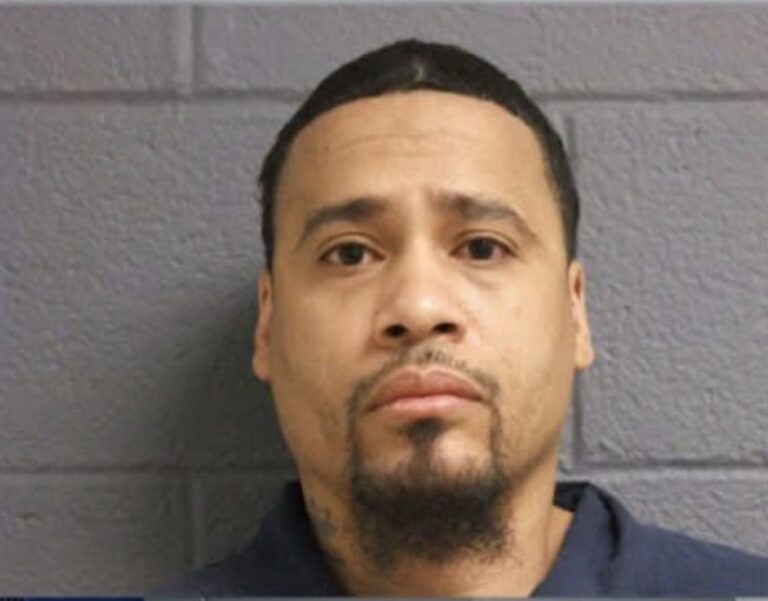
Detroit — Jarvis Butts, the man serving decades in prison for killing 13‑year‑old Na’Ziyah Harris and sexually assaulting other young women, was found dead early Thursday morning inside the Charles Egeler Reception and Guidance Center in Jackson, Michigan. Corrections staff tried to revive him but were unable to, and authorities are investigating the death as a possible suicide.
Butts had just been sentenced on March 12 to 35 to 60 years in prison after pleading guilty to second‑degree murder in Harris’ death. He also received concurrent prison terms of 10 to 15 years for five criminal sexual conduct convictions involving minors. The sentencing came after emotional statements from Harris’ family and others affected by the crimes.
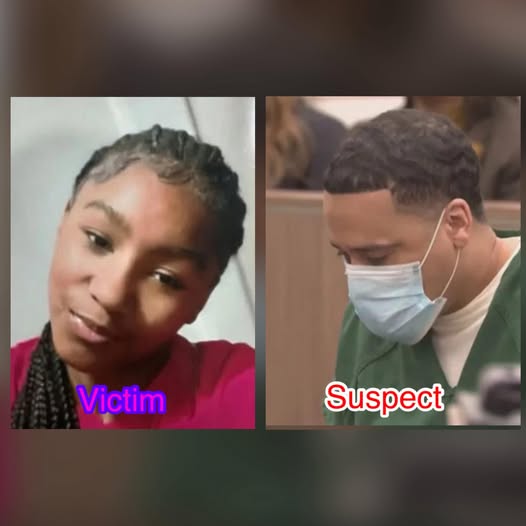
Harris was last seen getting off her school bus in Detroit on January 9, 2024. Her disappearance sparked a prolonged search, and evidence later showed she had contact with Butts that day. Prosecutors alleged he groomed the young girl over time and that she was pregnant with his child when she vanished. Her body has never been recovered, even though part of the plea deal required Butts to provide truthful information about its location.
The shock of Butts’ death reverberated through Detroit, especially among those who remember Harris as a bright and joyful young girl whose life was cut short. Her family had hoped the sentencing would bring a measure of closure, but the loss of a chance to learn the truth about her remains has left many feeling unsettled and deeply saddened.
Officials with the Michigan Department of Corrections confirmed that the Michigan State Police have taken over the investigation into how Butts died. The facility where he was held has seen several inmate deaths in recent years, but the timing — coming just two weeks after his long sentencing — has drawn fresh attention.
Despite the focus on Butts’ death, many in the community insist the story remains one about Harris. Friends and family remember her laughter, her school achievements, and the life she should have had. They continue to advocate for answers about what happened to her body and why justice in her case still feels unfinished.
For now, the case of Na’Ziyah Harris stands as a tragic reminder of the consequences of violence and loss on a family and a city still searching for peace.

