
Federal prosecutors say a U.S. Army soldier trusted with some of the nation’s most sensitive intelligence crossed a hard line, turning classified military knowledge into a personal payday. Gannon Ken Van Dyke, 38, now stands accused of quietly placing high-stakes bets tied to a covert U.S. operation involving Venezuelan President Nicolás Maduro—and walking away with more than $400,000.
According to investigators, Van Dyke was stationed at Fort Bragg in North Carolina when he gained access to confidential details about a planned U.S. military action, reportedly known as “Operation Absolute Resolve.” Instead of keeping that information secure, prosecutors say he used it to make calculated wagers on the online prediction platform Polymarket.

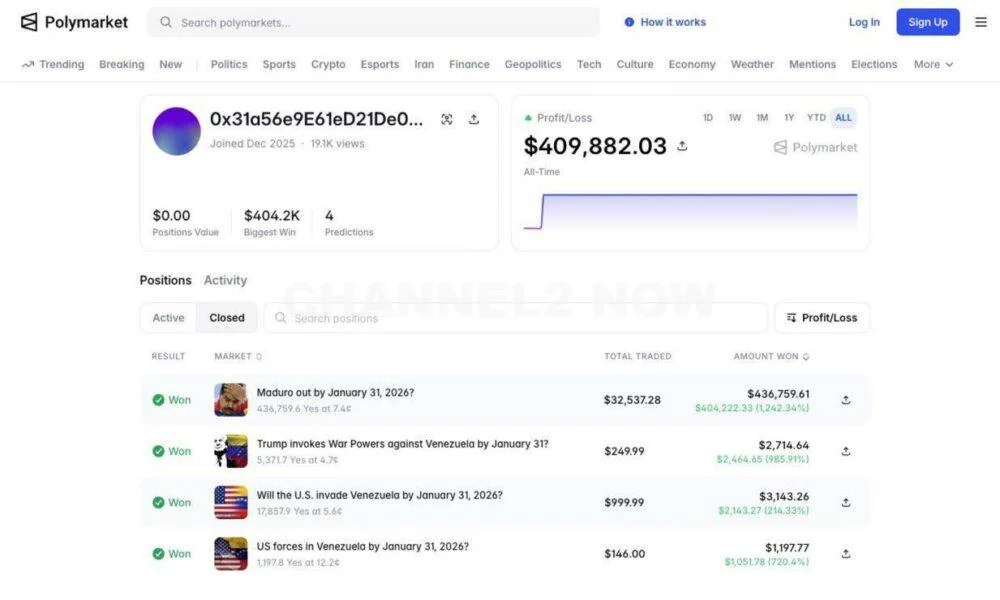
The timing is what raised eyebrows. Officials say Van Dyke began placing bets in late December 2025, just days before the operation was expected to unfold. He allegedly used cryptocurrency and a virtual private network to hide his tracks, placing 13 separate bets totaling about $33,000.
Those bets weren’t random. They zeroed in on specific outcomes tied to Venezuela—whether U.S. forces would enter the country and whether Maduro would be removed from power before the end of January 2026. Authorities believe Van Dyke already knew how those events would play out.
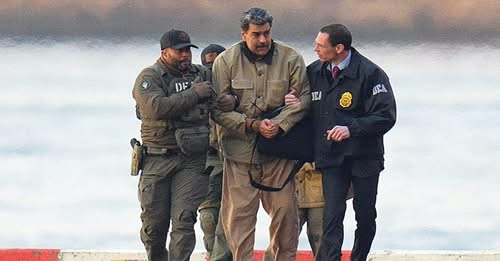
On January 3, 2026, the operation reportedly moved forward. Maduro was captured, and the mission came with significant casualties. Shortly after, prosecutors say Van Dyke cashed out, turning his initial bets into more than $400,000 in profit.
Investigators claim he didn’t stop there. They say he moved much of the money into a foreign cryptocurrency account and tried to erase his digital footprint by deleting his Polymarket profile. But the effort fell short, as unusual betting patterns and transaction trails drew attention.
Van Dyke now faces a series of serious federal charges, including violations of the Commodity Exchange Act, wire fraud, and unlawful monetary transactions. Some of those charges carry potential sentences of up to 20 years in prison.
Federal officials have not held back in their response. They say the case is about more than money. It’s about trust. Prosecutors argue that by using classified intelligence for personal gain, Van Dyke put both national security and the integrity of financial systems at risk.
The case is also shining a spotlight on prediction markets, where people bet on real-world events. These platforms have grown quickly, especially in political and global affairs. But critics say they can be exploited when insiders hold information the public doesn’t.
Authorities say the investigation is still ongoing. They are now looking closely at whether others may have used similar tactics. For many in Washington, this case is a warning sign—one that shows how quickly new financial tools can be misused when secrecy and profit collide.

