
Gabriela Saldana, a 23-year-old Florida International University student, is now facing a serious felony charge after what authorities say was a bomb-related joke sent inside a student group chat. The case has quickly drawn attention on campus and beyond, especially after a legal fundraising effort was created in her name.
Saldana, a senior and dual-major student, was arrested after police reviewed messages sent in a WhatsApp group of about 215 students. The group was reportedly discussing an upcoming capstone event set to take place at the Ocean Bank Convocation Center. One message she sent mentioned Israeli Prime Minister Benjamin Netanyahu in a way investigators later flagged as suspicious.
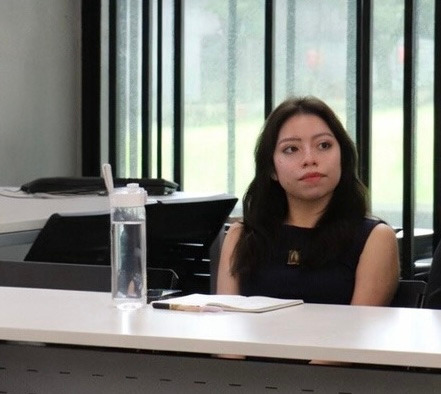
In that message, she wrote, “Netanyahu, if you can hear me, drop some bonbons for us Capstone students in Ocean Bank Convocation Center.” Authorities say they interpreted the wording as a coded reference to explosives. A follow-up message allegedly referenced a bomb at the venue and shifted blame toward another student.
Campus police worked with outside agencies during the investigation and moved to arrest her on campus in the early hours of the morning. She was later brought before a bond court where bail was set at $5,000. Officials have treated the case under Florida laws dealing with written threats of violence.
Saldana has reportedly told investigators and peers that the messages were never meant as real threats. She described them as a joke that went too far and should not have been sent in a group setting of that size. Her explanation has become part of the public discussion surrounding the case.
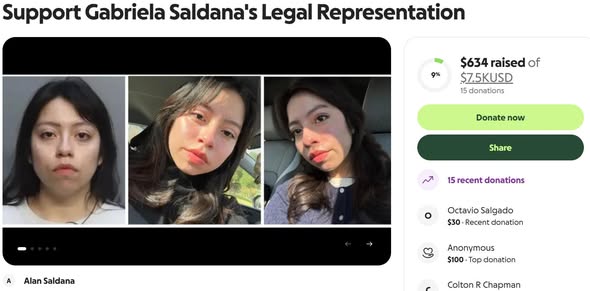
A fundraising campaign titled “Support Gabriela Saldana’s Legal Representation” has been launched to help cover her legal expenses. Supporters of the effort describe her as a hardworking student who was preparing to complete her academic program and argue that her intent was not criminal.
The campaign also highlights the severity of the charges she is facing, which could carry a prison sentence of up to 15 years if she is convicted. As the case moves forward, it remains under legal review, with both campus and law enforcement officials maintaining that any potential threat must be treated seriously.

